
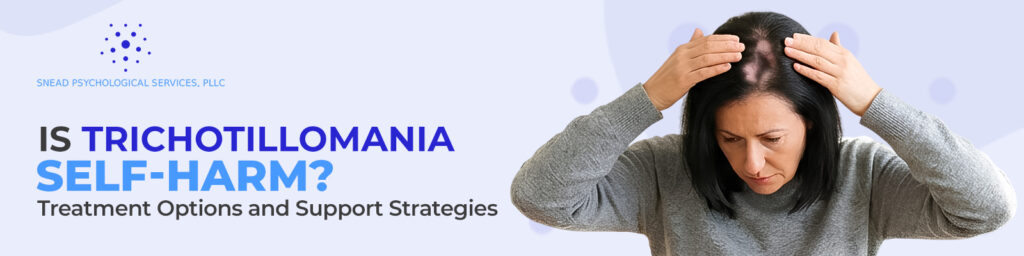
Do you ever catch yourself pulling out your hair without really knowing why? If so, you’re not alone. This urge may be a sign of trichotillomania, a condition that affects millions of people and is far more common than most realize.
According to MedlinePlus, about 4% of the population lives with trichotillomania (TTM), with women diagnosed more often than men. Despite being widely misunderstood, TTM is a real mental health condition that involves repeated and compulsive hair pulling. Because of its repetitive nature and connection to unwanted urges, it is categorized within the obsessive-compulsive disorder (OCD) spectrum.
For many, hair pulling begins subtly. You may twist or play with your hair during moments of stress or boredom. Over time, this can progress into a cycle of compulsively pulling from the scalp, eyebrows, or eyelashes. What starts as an occasional behavior can become automatic, distressing, and difficult to stop.
This pattern raises an important question:
Is trichotillomania a form of self-harm?
| Aspect | Trichotillomania | Self-Harm |
| Primary behavior | Recurrent hair pulling | Intentional physical injury |
| Intent | Compulsive, not to cause harm | Deliberate harm to cope emotionally |
| Emotional trigger | Anxiety, stress, boredom | Emotional pain, distress |
| Awareness during action | Often automatic | Usually intentional |
| Classified as | Body-Focused Repetitive Behavior (BFRB) | Maladaptive coping behavior |
The answer isn’t simple. While trichotillomania can cause physical damage and emotional distress, it typically does not stem from an intent to hurt oneself, which is a hallmark of self-harm. Instead, TTM is usually tied to anxiety, sensory urges, tension relief, or habitual behavior. Still, as the condition worsens, hair loss can feel like a form of harm—especially when bald spots appear or self-esteem is affected.
If the behavior becomes disruptive, distressing, or difficult to control, it’s important to recognize what’s happening and seek support from a trained mental health professional.
This guide breaks down what trichotillomania is, how common it is, and what treatment options can help.
What is Trichotillomania?
Trichotillomania is a mental health disorder characterized by repeated, compulsive hair pulling. People with TTM may pull hair from their scalp, eyelashes, eyebrows, beard, or other areas. At first, it may feel harmless—just a few strands here and there—but the behavior can grow into a powerful habit that’s very difficult to stop.
Many people with TTM also engage in related behaviors, such as:
- Playing with pulled hair
- Chewing or inspecting hair
- Picking at the skin around hair follicles
Over time, this cycle can lead to physical discomfort, infections, and noticeable hair loss.
Because of the repetitive and compulsive nature of the behavior, TTM is often grouped with OCD-related disorders.
How Common is Trichotillomania?
Hair pulling may seem rare, but trichotillomania is more widespread than people think. The Cleveland Clinic estimates that 0.5% to 3.4% of adults will experience TTM at some point.
Many people don’t recognize the behavior as a disorder—they assume it’s just a “bad habit.” This can delay treatment and make symptoms worse. Over time, the compulsive pulling often leads to:
- Bald spots or thinning hair
- Changes in appearance
- Shame or embarrassment
- Attempts to hide affected areas with hats, makeup, or hairstyles
In some cases, pulling becomes so ingrained that individuals feel out of control or distressed by the behavior.
As the condition progresses, concealing the effects becomes more difficult, which can increase anxiety and reinforce the cycle.
What Causes Trichotillomania?
There isn’t one single cause behind trichotillomania. Instead, hair pulling is influenced by a combination of biological, psychological, and behavioral factors. Genetics, hormones, and habit-forming patterns all play a role in how the condition develops and why it becomes so difficult to stop.
Here are the key contributors:
1. Genetics
Trichotillomania often runs in families. If a parent, grandparent, or other close relative has struggled with compulsive hair pulling, you may be more likely to develop similar behaviors. In this case, the tendency may be inherited even before you become aware of the habit.
2. Hormones
Stress hormones and puberty-related hormonal changes can trigger or intensify hair pulling. Shifts in estrogen, progesterone, or testosterone may influence the onset of trichotillomania, especially during adolescence. Chronic stress can heighten vulnerability, making hair pulling feel like a temporary escape or coping mechanism.
3. Habit Learning
For many people, trichotillomania develops into a deeply ingrained habit loop. Pulling hair can release dopamine, the brain’s “reward” chemical. Over time, this creates a cycle:
urge → pulling → momentary relief → more urges.
This reinforcement pattern makes the behavior automatic and difficult to break without support.
Common Symptoms and Effects of Trichotillomania
The most recognizable symptom is repeated hair pulling from areas like the scalp, eyebrows, or eyelashes. Many people describe a strong urge, a tingling sensation, or rising tension before pulling, followed by a brief sense of relief.
Here are other signs and emotional effects to look for:
Physical Symptoms
- Bald patches or thinning hair on the scalp, eyebrows, or lashes
- Skin irritation or injury such as redness, soreness, or infections
- Pain or sensitivity around pulled areas
Emotional and Psychological Effects
- Tension before pulling and temporary relief afterward
- Shame, guilt, or embarrassment about the behavior
- Avoidance of mirrors, social situations, or certain hairstyles
- Feelings of isolation due to concerns about appearance
- Body image distress or dysmorphia, especially when bald spots become visible
As the cycle continues, the behavior can start to resemble emotional self-harm, even if the intent is not to hurt oneself. Many people feel stuck between the urge to pull and the distress that follows, which is why recognizing the symptoms early is so important.
Trichotillomania: Harm vs. Habit
Stress and anxiety can lead people to develop behaviors that feel soothing in the moment but confusing or distressing over time. Trichotillomania, also known as hair-pulling disorder, is one of those behaviors. What may begin as pulling a single strand of hair can gradually become a repeated pattern that feels very hard to control and very hard to stop.
At first, the behavior may be easy to dismiss or may not cause obvious problems. Over time, though, frequent or intense hair pulling can lead to skin irritation, bald patches, shame, and emotional distress. For many people, this is the point where trichotillomania stops feeling like a “quirk” or “habit” and starts feeling harmful and out of control, even if the goal was never to hurt themselves.
So, is trichotillomania self-harm or a habit?
Clinically, trichotillomania is classified as a body-focused repetitive behavior (BFRB) and an obsessive–compulsive and related disorder, not as a type of self-harm. The hair pulling is usually experienced as an unwanted, distressing behavior that brings temporary relief or satisfaction, rather than as a deliberate attempt to injure the body.
That said, the impact can absolutely feel like harm. Some people pull in response to strong emotions; others do it automatically while reading, watching TV, or working. In a smaller subset of people, hair pulling can occur alongside other forms of self-injury, or may occasionally be used in a more self-punishing way. In those cases, clinicians may understand it as both a hair-pulling disorder and a form of self-harm.
A more helpful way to think about it is not “harm versus habit,” but intention and impact:
- Is the pulling automatic, soothing, or tension-reducing, rather than meant to punish or injure the body?
- Is it causing noticeable physical changes (like bald spots or skin damage), medical issues, or significant shame or avoidance?
- Does it happen despite repeated efforts to stop and a clear wish not to pull?
When hair pulling is mild, occasional, and relatively easy to interrupt, it may function more like a habit or nervous behavior that still benefits from support and early intervention. When it is frequent, hard to control, and causes visible damage and distress, it fits the picture of trichotillomania and deserves to be taken seriously, whether or not someone personally labels it “self-harm.”
The encouraging news is that effective treatments are available. Approaches such as habit reversal training, stimulus control, and cognitive-behavioral therapy can help people understand their triggers, reduce pulling, and heal their relationship with their bodies. If hair pulling is linked with urges to hurt yourself or with other self-injury, it is especially important to talk with a mental health professional so both the BFRB and any self-harm can be addressed in a coordinated way.
Treatment Options & Support Strategies for Hair Pulling
Like any habit, trichotillomania can take root slowly and become hard to control over time. Stress, anxiety, or emotional tension often fuel the urge to pull. When you reach the point where stopping feels impossible, it’s a sign to reach out for professional help.
A therapist can offer a safe, nonjudgmental space to talk about your hair-pulling behaviors. Once they understand your triggers, they can create a treatment plan tailored to your needs. Several evidence-based therapies have been shown to help people reduce or stop hair pulling altogether.
Cognitive Behavioral Therapy (CBT)
CBT is one of the most effective treatment options for trichotillomania. A key component is Habit Reversal Training (HRT), a technique that helps you recognize your triggers and replace hair pulling with healthier behaviors.
For example, if you tend to pull during stressful moments, you might learn to grab a stress ball, tap your fingers, or clench your fists instead. Over time, these replacement behaviors interrupt the hair-pulling cycle and reduce the urge.
Acceptance and Commitment Therapy (ACT)
ACT takes a different approach. Instead of trying to fight the urge, ACT teaches you to notice it, accept it, and make choices that align with your values. The goal isn’t to suppress thoughts but to change your relationship with them.
If anxiety makes you want to pull your hair, ACT helps you acknowledge both the anxious feeling and the urge without acting on it. That space between the urge and the action gives you more control.
Support Strategies to Strengthen Treatment
Therapy is often most effective when paired with support strategies that help you manage urges in daily life.
1. Mindfulness Practices
Mindfulness increases awareness of your emotional triggers and physical sensations. As you become more present, you can catch the urge earlier and choose a healthier response.
2. Join a Support Group
Support groups connect you with others who also live with trichotillomania. Hearing their stories, challenges, and coping strategies can reduce shame and help you feel less alone. Many people find it easier to stay motivated when they know others understand exactly what they’re going through.
Manage Trichotillomania the Right Way with Snead Psychological Services
Trichotillomania can show up in moments you least expect. You might be watching a game, studying, or simply sitting in bed when the urge to pull your hair suddenly hits. At first, it may feel harmless, but over time the urge grows stronger and more automatic. What starts as an occasional habit can turn into frequent pulling that creates bald spots, skin irritation, and emotional distress.
So is trichotillomania considered self-harm? In many cases, yes. Repeatedly pulling out hair can cause pain, inflammation, and changes in appearance that take a toll on confidence and mental well-being. Even when you desperately want to stop, the urge can feel overwhelming, which is part of what makes this condition so challenging.
The good news is that recovery is absolutely possible. The first step is understanding your triggers and learning healthier ways to respond to them.
At Snead Psychological Services, we believe harmful habits can be replaced with healthier ones. Our team uses evidence-based approaches, such as Cognitive Behavioral Therapy (CBT), to help you recognize the situations, sensations, and emotions that lead to hair-pulling. Once your triggers are clear, we work with you to build coping strategies that fit your unique needs and values.
Dr. Alex Snead provides compassionate, individualized care designed to help you regain control, reduce shame, and rebuild confidence. With the right support, you can break free from the cycle of pulling and move toward a healthier, more grounded life.
Explore our psychological services to begin your path toward healing from trichotillomania.
FAQs
1. What is hair-pulling called?
Hair-pulling is known as trichotillomania, a mental health condition under the OCD spectrum. Some people pull a few strands occasionally, while others pull larger amounts more frequently.
2. Why do people pull out their hair?
Hair-pulling often happens during moments of stress, anxiety, boredom, or emotional overwhelm. The act may temporarily relieve tension, which reinforces the behavior and makes it harder to stop.
3. Is trichotillomania self-harm?
Clinically, trichotillomania is classified as a body-focused repetitive behavior and an obsessive–compulsive and related disorder, not as a type of self-harm, because the goal is usually tension relief or satisfaction rather than intentionally injuring the body. However, the behavior can still feel harmful and serious, and in some people it can occur alongside, or be used similarly to, other forms of self-injury, which is why it is important to seek professional help if hair pulling is causing significant distress or problems in daily life.
4. How can I break the habit of trichotillomania?
Stopping the habit takes time and guidance. A therapist may suggest techniques like journaling your triggers, using grounding strategies, or replacing pulling with alternatives like squeezing a stress ball. Professional therapy provides structure and long-term tools for managing urges.
5. How do I cure my trichotillomania?
There is no quick cure, but treatment is highly effective. Therapies such as CBT and Acceptance and Commitment Therapy (ACT) help you understand your triggers, shift your responses, and develop healthier coping strategies. With ongoing support, many people experience significant improvement.
